| | | |
Dear Readers,
The crisis in the Middle East is hitting our industry hard. Kerosene prices have risen steeply and at times have more than doubled. Airlines worldwide are feeling the pressure and must respond to this situation. We are no exception: in April, we reduced our capacity in the current summer flight schedule by one percent. The least profitable routes, which can no longer be operated economically under the changed conditions, had to be discontinued. The effects are particularly noticeable in Germany. This is no coincidence, as government charges and state-induced location costs have weighed on the German route network for a long time. We are now seeing what happens when financial leeway is exhausted: external shocks such as a sharp increase in kerosene prices can no longer be absorbed. Routes that were already operating at a loss are slipping even deeper into the red. We would like to make one thing clear: we are doing our utmost to limit negative impacts on Germany as a business location as far as possible. Even if individual routes are discontinued, our aim is to ensure that affected destinations remain connected to at least one Lufthansa Group hub. That is our commitment, even under difficult conditions. At the same time, there is a positive signal from Berlin: Eurowings will expand its offering at the capital’s airport, helping to fill the gaps left by Ryanair’s withdrawal. This shows that the Lufthansa Group is continuing to take responsibility for Germany’s connectivity even in a challenging environment. In recent days, we have received many responses from affected regions. This energy would have been well invested in the past in improving the framework conditions for the German aviation sector. We can no longer afford to look in the rear-view mirror. What we need now is political action: location costs must be reduced significantly – at both federal and state level. And in Europe, those regulations that place EU airlines at a competitive disadvantage must be reviewed. The “Green Deal” legislative package includes a number of such measures. If nothing changes, it will once again be the regions that pay the price. This policy brief not only addresses the current framework conditions in aviation, many of which urgently require adjustment. We also want to warn against certain stakeholders seeking to increase the cost burden even further, even in these economically challenging times. One example is the call to move quickly to regulate so-called non-CO2 climate effects in aviation, particularly contrails. The article from Science reproduced in this brief shows that the climate impact of contrails may be lower than previously assumed. Premature EU regulation on this basis would place a unilateral burden on European airlines, further distort competition, and bring no benefit to the climate. Further research should therefore precede any new regulation. We hope you find this an insightful read. Andreas Bartels
Head of Corporate Communications
Lufthansa Group | Dr. Kay Lindemann
Head of Corporate International Relations
and Government Affairs
Lufthansa Group
|
| |
| | | | Middle EastAviation in crisis modeFar too high location costs, spiking jet fuel prices, costly labor disputes: the economic pressure on aviation in Germany is growing steadily. Alongside acute crisis management, relief measures are needed to safeguard and restore competitiveness – and thus the quality of connectivity across Germany in the long term. | |
| | | | Jet fuel price development
Since the outbreak of the Iran conflict, jet fuel prices have risen sharply. 
Source: Bloomberg | |
| | | | The conflict in the Middle East is hitting German aviation at an already precarious moment. Since the outbreak of the crisis, jet fuel prices have temporarily more than doubled. The price shock for the industry is substantial, as kerosene accounts for roughly one-third of the costs of a flight departing Germany. The situation is challenging for airlines. Low-cost carriers are continuing their withdrawal from Germany. Ryanair, for example, will close its base in Berlin. Lufthansa Group measures
The Lufthansa Group has also had to respond and accelerate the necessary consolidation of its European network. By the end of October, around 20,000 flights will be removed from the schedule. The cuts primarily affect routes that are no longer economically viable. Overall, the summer offering will be reduced by just under one per cent of available seat kilometres (ASK). However, the impact on the German route network is considerable. It is becoming increasingly evident that the massively increased state-imposed location costs in Germany leave virtually no room to absorb additional burdens – whether from rising jet fuel prices or escalating labor disputes. Since 2019, taxes and charges have doubled. Under this burden, connectivity to important economic regions is suffering increasingly. At the same time, securing connectivity remains a central objective of Lufthansa. It will continue to do everything in its power to connect Germany’s regional centres to at least one hub. Schedules will therefore be adjusted wherever possible through reduced frequencies, to avoid having to discontinue routes entirely. Also important: the expansion of feeder services via Deutsche Bahn, such as from Stuttgart to Frankfurt. Relief measures remain indispensable
A short-term ease of the situation is not in sight. Therefore, a coordinated effort by federal and state governments to significantly reduce operating costs is essential. The reversal of the increase of the aviation tax is a crucial first step yet falls short of a full reversal. To bolster the competitiveness of Germany as an aviation location, further relief measures are indispensable. The industry has been calling for this for years. Focus on jet fuel supply
The physical availability of jet fuel has also increasingly moved into focus. Around 30 percent of the jet fuel used in the EU is transported through the Strait of Hormuz. For the flights scheduled in the summer timetable, the Lufthansa Group currently expects a largely stable supply. Nevertheless, the European Commission is right to act preventively. With the approval of Jet A kerosene now in place, additional import sources can be tapped and supply stabilized. Additionally, the release of strategic kerosene reserves can also contribute to the event of actual shortfalls. Beyond this, further flexibility should be anchored preventively. Creating flexibility proactively
These include a temporary suspension of anti-tankering rules. These rules are intended to prevent airlines from carrying additional fuel for cost or competitive reasons. However, in a situation such as the one we are currently experiencing, they unnecessarily restrict flexibility. Equally important is a full slot waiver, which temporarily exempts airlines from the obligation to regularly use their allocated take-off and landing rights. Such exemptions have proven effective in previous global crises – such as the financial crisis or COVID-19. They make it possible to temporarily adjust schedules without slots being permanently lost. It would be unconvincing if, under current circumstances, airlines were effectively forced to operate flights simply to avoid the risk of losing their slots. Securing sovereignty
The current crisis underscores the strategic importance of a high-performing European aviation sector. The growing concentration of global traffic flows via Gulf hubs has developed into a strategic risk. Therefore, it is even more important to translate the debate on European sovereignty into concrete political action. Connectivity is not an end in itself. It is the foundation for Germany’s and Europe’s economic strength, regional development, and ability to act internationally. In this spirit, it is now time to systematically and swiftly reduce the existing competitive disadvantages faced by EU airlines. | |
| | | | “German aviation is broken.”“With no meaningful cost reform in Berlin or in Germany nationally, we have no alternative but to switch aircraft from Germany to other more competitive markets elsewhere in Europe.”Eddie Wilson
CEO of Ryanair DAC, on the airline’s withdrawal from Berlin, 24 April 2026 | |
| | | | Strikes in aviationRegulating industrial action through legislationAirline strikes regularly affect more than just the parties involved in the collective bargaining process. They shatter holiday plans, disrupt supply chains, and harm uninvolved employee groups and businesses. This has long raised serious questions regarding proportionality and parity in labor disputes. The acute vulnerability of transport networks undermines Germany’s competitiveness both as an aviation and business location. | |
| | | | Aviation bears a disproportionate strike burden 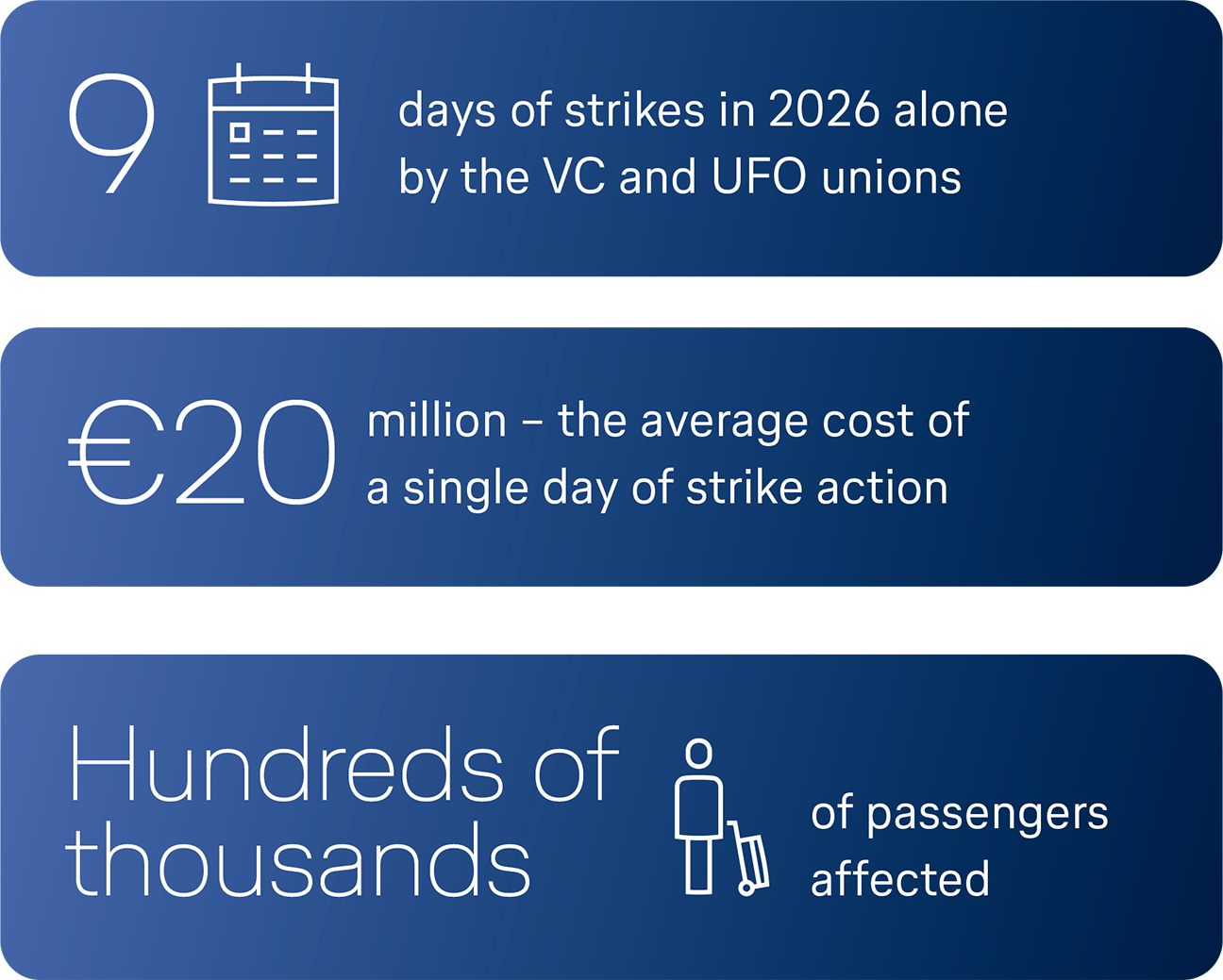
| |
| | | | Case law instead of legal certainty
The right to strike is not being called into question. Yet its legal framework remains uncodified in Germany to this day. Whether a strike is proportionate is decided by courts on a case-by-case basis – and after the fact. As early as 1970, the Federal Constitutional Court urged the legislature to establish clear statutory rules governing industrial action. Since then, nothing has happened. Instead, the principle of proportionality has gradually been expanded in favor of unions. Sympathy strikes and flash mobs are now just as permissible as frequent and prolonged warning strikes. “Strike action as a measure of last resort” is no longer the guiding principle. Then-Supervisory Board Chairman of the Lufthansa Group Dr. Karl-Ludwig Kley summarized the situation during the celebrations marking the company’s 100th anniversary: “German strike law and strike practice have changed in recent decades in a way that leaves employers with little more than a seat in the stands.” A structural imbalance
In aviation, strikes are often limited to small occupational groups, and even within those groups, only employees scheduled to work on the day of action participate. The financial risk of the union therefore remains low, while pressure on employers, passengers, and supply chains is maximized. “The days of a level playing field are over,” said Dr. Kley, summarizing the recent strikes by the sector-specific trade unions. However, in the aviation industry, even the mere announcement of a strike suffices to cause significant damage. Bookings decline, and missed flights cannot be rescheduled. Vacation days are lost, business appointments canceled, and supply chains disrupted. Learning from Europe: clear rules instead of case-by-case decisions
A glimpse at our European neighbors shows that things can be done differently. In Spain, industrial disputes in sectors that significantly affect third parties are subject to mandatory notice periods, legally binding minimum workplace agreements, and a compulsory mediation process prior to any strike action. This does not curtail the right to strike but instead regulates it in an appropriate manner. Conflicting interests can thus be balanced, and predictability ensured for all parties involved. Germany needs a codified law governing industrial action, at least for critical infrastructure. Confrontation instead of cooperation jeopardizes growth and prosperity. Geopolitical tensions are only the most recent reminder of how vital stable and reliable air connectivity is. In its current form, the right to strike represents a serious competitive disadvantage. Should aviation in this country continue to lose competitiveness, there is a risk that air traffic will permanently shift to other international hubs. | |
| | | | EU climate policyCreating fair competition – reducing costsIn recent years, the EU has adopted numerous regulations that place European airlines at a significant competitive disadvantage compared with their non-European competitors. This particularly includes the mandatory blending quota for Sustainable Aviation Fuels (SAF), which has been in force since 2025. It unilaterally increases the cost of flights via European hubs. There is an urgent need for a competitiveness-neutral revision of this policy. | |
| | | | EU PtL quota for 2030 not achievable
Since 2025, kerosene uplifted in the EU must contain a growing share of sustainable aviation fuels (SAF). From 2030 onwards, a sub-quota for electricity-based fuels (Power-to-Liquid, PtL) of 1.2 percent will also apply, rising to 35 percent by 2050. Due to insufficient availability, this quota will not be achievable. Electricity-based fuels are not yet produced in industrial quantities.

Sources: European Commission, A4E
| |
| | | | In addition to the SAF quota, a sub-quota for Power-to-Liquid (PtL) kerosene is set to apply from 2030, starting at 1.2 percent and rising to 35 percent by 2050. However, it is clear that this quota will not be achievable due to a lack of availability. According to current estimates, not even one percent of the required PtL volumes could be made available (source: A4E). There is no PtL production facility in Europe operating at industrial scale. Projects that had already been launched have even been put on hold. As a result, the quota threatens to trigger penalty payments running into the billions for EU airlines – without delivering any climate benefit. The European Commission must therefore postpone the quota until sufficient PtL volumes are economically available. Europe is burdening itself
Structural competitive disadvantages are also clearly visible in the European emissions trading system (EU ETS). More than 80 percent of global revenues from emissions trading are currently collected by the EU and Germany, even though Europe accounts for only around 6 percent of global greenhouse gas emissions. The EU is thus placing a far heavier burden on itself than other world regions. In aviation, the EU ETS applies to flights within the EU. European airlines therefore face substantial ETS costs, while competitors from non-EU countries are not subject to comparable burdens. This makes connections via EU hubs more expensive. Passengers shift to non-European hubs. The result is carbon leakage: emissions are not reduced but merely shifted to other regions of the world. | |
| | | | Europe’s disproportionate burden in Global Emissions Trading
Although the EU accounts for only around 6 percent of global greenhouse gas emissions, more than 80 percent of global revenues from emissions trading are collected by the EU and Germany. This imbalance leads to a disproportionate cost burden for European companies.

Data for 2024. Sources: International Carbon Action Partnership, Emissions Trading Worldwide – Status Report 2025 and EDGAR – Emissions Database for Global Atmospheric Research
| |
| | | | Expanding the ETS is not an option
The frequently discussed expansion of emissions trading to cover all departures from the EU is not an option. Apart from the lack of willingness among key third countries to support such a step, it would further exacerbate competitive distortions. While feeder flights to non-European hubs could theoretically be included, the subsequent long haul flights would remain entirely beyond the EU’s regulatory reach. This would amount to yet another own goal for Europe. Global regulation is essential
This demonstrates that global aviation requires internationally coordinated climate protection instruments. Only in this way can fair competition among carriers worldwide be ensured. With CORSIA, a global system already exists that will cover around 90 percent of international aviation emissions from 2027 onwards. To reduce competitive distortions for EU airlines, the European Commission should strengthen this instrument. Costs under the EU ETS should be reduced to the level of CORSIA, for example by expanding the use of SAF allowances. Effective climate protection in aviation requires international compatibility and realistic regulatory conditions. European climate policy can only be effective if it delivers real emissions reductions, acknowledges market realities, and ensures fair competition. | |
| | | | Paul VoosenContrails may not be the climate villain once fearedStudies raise questions about how to adjust flight paths to minimize heat-trapping clouds. | |
| | | | 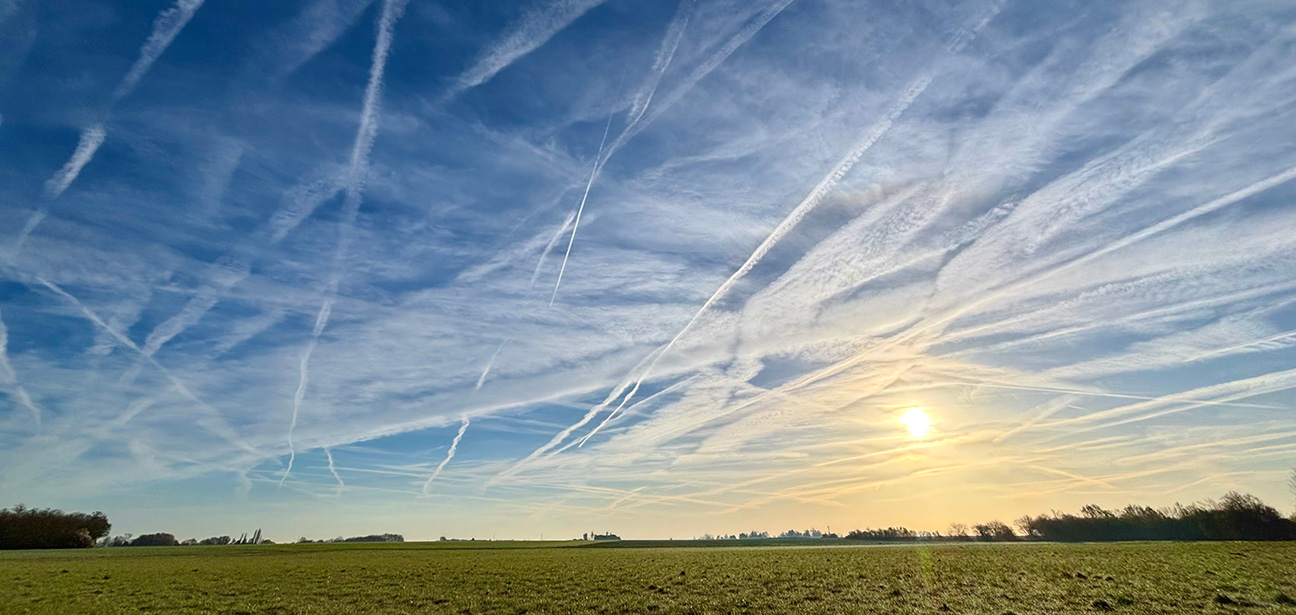
It seems an easy climate solution, almost too good to be true. Greenhouse gas emissions from airplanes are stubbornly difficult to reduce – batteries cannot power a jumbo jet. But in the past few years, scientists and industry have seized on a way to trim airplanes’ climate footprint by limiting the clouds they leave behind. Jet contrails, when they turn into long-lived clouds, trap significant amounts of heat that would otherwise escape Earth – three times more than the carbon dioxide (CO2) emitted by the engines, some studies have suggested. In theory, tweaking flight routes to avoid creating these clouds could slash aviation’s toll on the climate. Policymakers embraced the idea, launching several large-scale field trials with commercial airlines. But the trials and recent studies are showing that “there’s a lot of inconvenient loose ends on this,” says David Lee, a climate scientist at Manchester Metropolitan University. The clouds’ climate impacts are not straightforward, it seems. One observational study shows that rather than forming in clear skies, most long-lived contrails form in existing clouds, potentially limiting or even reversing their climate impact in those cases. And a modeling study shows contrail-induced clouds might add just two-thirds of aviation’s greenhouse gas impact, not three times as much. “They show a [warming effect] a lot smaller than we thought,” says Lee, who previously led a widely cited 2021 study suggesting a larger impact. “That’s just how it is. It’s better knowledge.” Combustion in jet turbines produces CO2 and water vapor, along with bits of soot. Contrails form as the water vapor condenses on the soot and freezes. Most evaporate quickly, with minimal climate impact. But when contrails appear in layers of the atmosphere with high humidity – supersaturated with water vapor just begging to condense – the ice particles act as seeds for growth. The contrail persists and spreads into full-fledged contrail cirrus. Decades of work has shown these clouds should, on the whole, cause warming. It’s a simple effect: The wispy veils of ice let most of the Sun’s energy pass through. But like CO2, they are very effective at absorbing infrared heat emitted by Earth’s surface. The effect is biggest at night, when the contrail clouds reflect no sunlight and only trap heat. “The scientific consensus is that they are warming, and that warming isn’t trivial,” says Sebastian Eastham, a sustainable aviation researcher at Imperial College London. Small-scale trials earlier this decade, conducted in 2021 by the German Aerospace Center (DLR) and in 2023 by researchers at Google with American Airlines, showed pilots can adjust their trajectories to avoid the cirrus-prone humid layers. But these trials also showed weather models can’t always forecast where contrails should form, with some accurate only one-fifth of the time, says Denis Vida, a planetary scientist at Western University. The problem is sparse observations, he says. “The contrail field is very data starved.” Vida runs a citizen-science project called the Global Meteor Network, which uses more than 1000 low-cost security cameras to watch the sky for fireballs. Last year, one contributor with a background in aviation noticed the cameras were also excellent contrail monitors. The meteor network has now switched its cameras to run 24 hours a day, and these observations will form the backbone of ContrailBench, a data set being developed by Google and others to train artificial intelligence (AI) weather models to predict contrails. Meanwhile, field trials of contrail avoidance have expanded. Last year, at the request of the German government, DLR ran a 100-flight trial with four airlines. This year, the Maastricht Upper Area Control Centre, which oversees air traffic over northwestern Germany and the Benelux countries, has an ongoing trial with Google to test the company’s AI predictions of the generally clear but supersaturated layers where contrails can bloom. That focus is shortsighted, says Andreas Petzold, an atmospheric scientist at the Jülich Research Center and coordinator of IAGOS, a European project that has outfitted 10 commercial airplanes with sensors. In a paper published this month in Nature Communications, Petzold and his co-authors used 7 years of IAGOS data to track where contrail cirrus clouds formed. Rather than in clear skies, more than 80% of them formed where clouds already exist. By thickening those clouds, the contrails made them more reflective, diminishing their warming effect or even potentially tipping the balance toward cooling. Any contrail avoidance scheme must track this risk, Petzold says. “If the cloud cover is thick, it may not be worthwhile.” In April, a study from researchers at DLR, published in the Journal of Climate, used a climate model to gauge the surface warming that results from contrail cirrus clouds, rather than simply the amount of radiation they blocked or absorbed. The model explored counterfactual scenarios: one where CO2 rose but not contrails, and vice versa. Surprisingly, the warming from contrails was just two-thirds that of the CO2. The model also identified a possible reason why. Whereas a rise in CO2 caused low, reflective clouds to burn off, leading to warming, increasing contrail cirrus had no such effect, and even seemed to boost overall reflective cloud cover. “That reverses the message of our 2021 paper,” Lee says. Other factors could reduce the contrail warming still further, Lee adds. For example, the soot in the contrails can eventually settle out and seed reflective clouds in the lower atmosphere, which would cool the surface. Eastham, for one, is doubtful that clear lessons for aviation will emerge anytime soon. Last month in Atmospheric Chemistry and Physics, he and co-authors published a paper comparing the two leading contrail formation models, finding that their differences suggested it was impossible right now to identify which contrails are the worst for climate. Still, he adds, even if some contrails aren’t as bad for the climate as once thought, they’re still bad. Airlines should try to avoid making them as long as they don’t burn too much fuel. But they should stay cautious, he says. “You want to have a no-regrets strategy.” | |
| | | | 100 years of LufthansaChancellor Friedrich Merz congratulatesLufthansa celebrated its 100th anniversary with an official ceremony in mid-April. Chancellor Friedrich Merz paid tribute to the company in his formal address. | |
| | | | 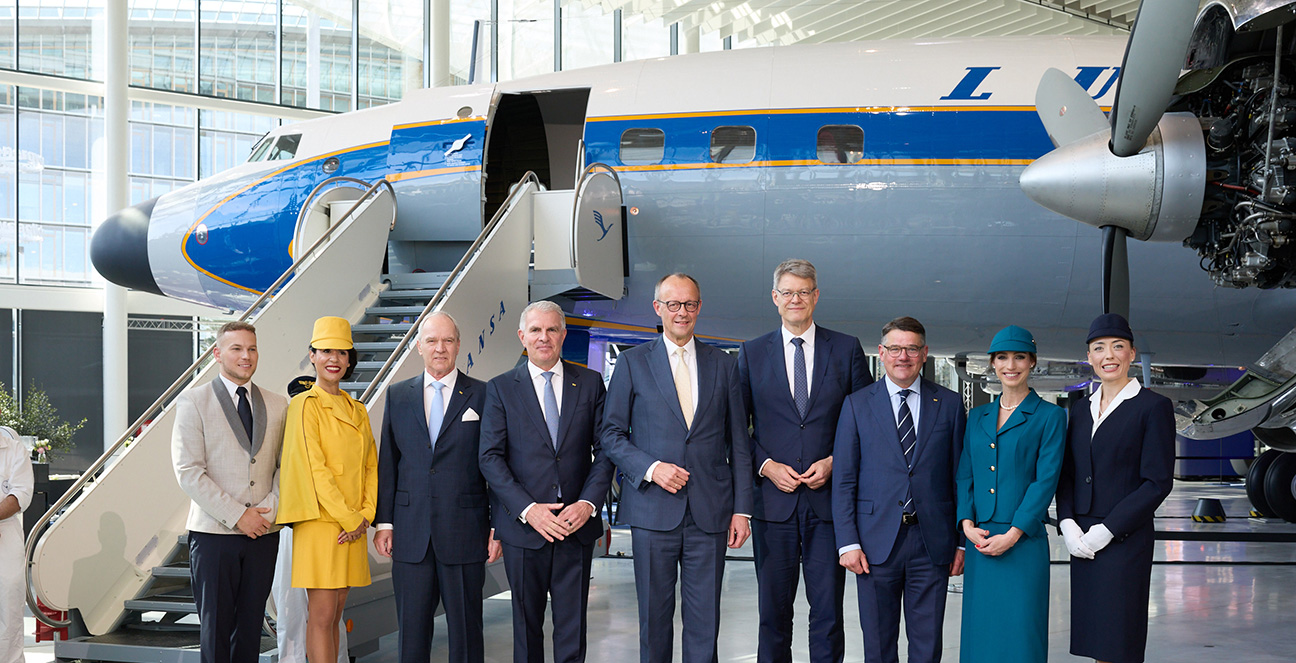
Group photo in front of the historic Lufthansa Lockheed Super Star in Hangar One (from left to right: Dr. Karl-Ludwig Kley, Carsten Spohr, Friedrich Merz, Patrick Schnieder, and Boris Rhein) | |
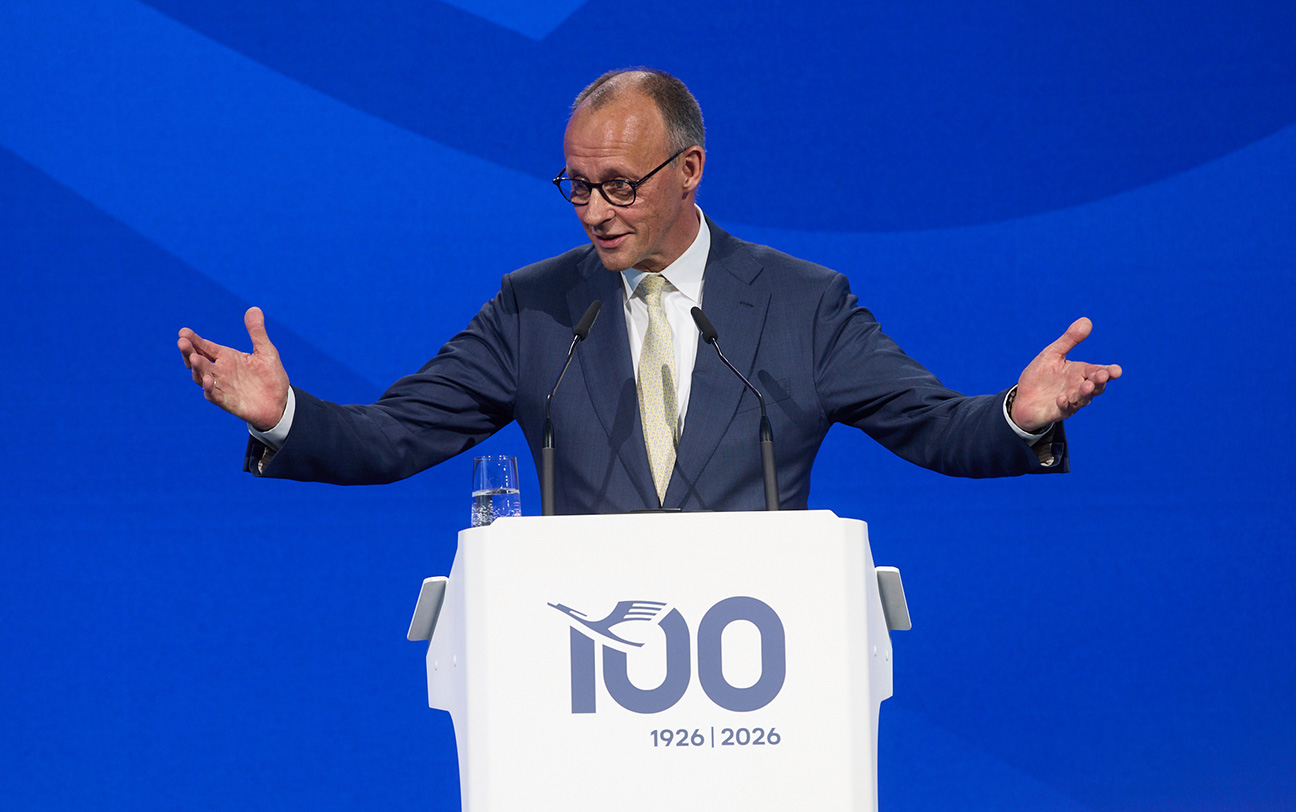
| | | | One hundred years ago – on January 6, 1926 – the first “Luft Hansa” was created through the merger of Deutsche Aero Lloyd and Junkers Luftverkehr AG. On April 15, 2026, an official ceremony marked the highlight of Lufthansa’s anniversary celebrations. More than 400 guests from politics, diplomacy, and business attended the event at the new Lufthansa Group Visitor Center “Hangar One” at Frankfurt Airport. In addition to Federal Chancellor Friedrich Merz, Federal Minister of Transport Patrick Schnieder, Hesse’s Minister-President Boris Rhein, and members of several German state governments also took part in the celebrations. In his official speech, Chancellor Merz paid tribute to Lufthansa as an integral part of German history. “Your company demonstrates what is possible – with courage and entrepreneurial spirit.” Merz also emphasized the importance of the aviation sector for Germany as a leading business location. “We want to remain a country with a high-performing and successful aviation industry. Flying less is not an option.” | |
| | | | | „Over the past 100 years, your logo and name have shaped Germany like no other company.“ Friedrich Merz
Chancellor of the Federal Republic of Germany |
| |
| | | | In his address, then-Supervisory Board Chairman Dr. Karl-Ludwig Kley addressed current challenges to the industry’s competitiveness. He criticized unilateral EU regulations that burden European airlines and called for corrections. Climate legislation, in particular, is making flying increasingly expensive in the EU and thereby weakening Europe’s strategic autonomy. | |
| | | | 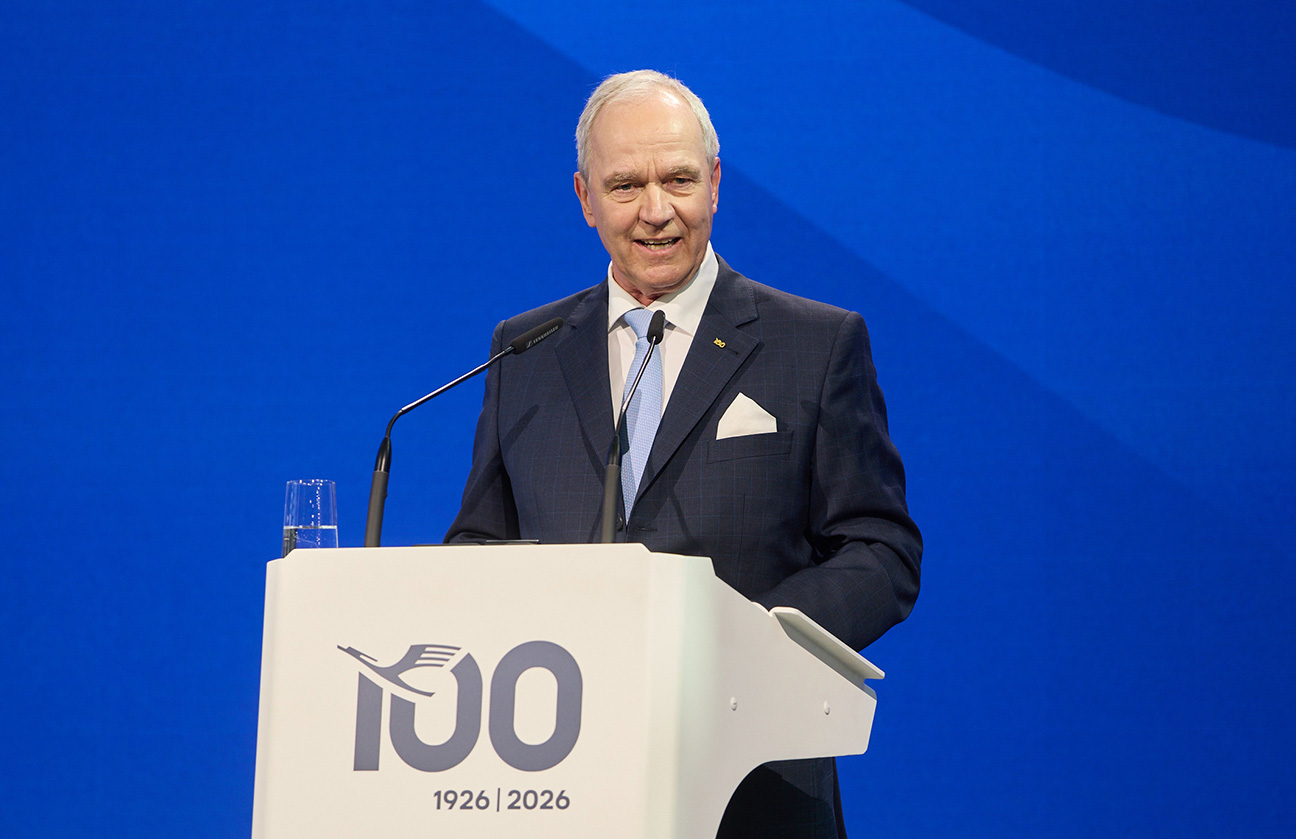
Address by Dr. Karl-Ludwig Kley, then-Chairman of the Supervisory Board of the Lufthansa Group | |
| | | | Carsten Spohr, CEO of the Lufthansa Group, took guests on a journey through a century of corporate history. Lufthansa evolved from the former state airline into one of the world’s leading airline groups. The recipe for success applies to both aviation and politics: “Only a European team can hold its own against the U.S. and China.” | |
| | | | 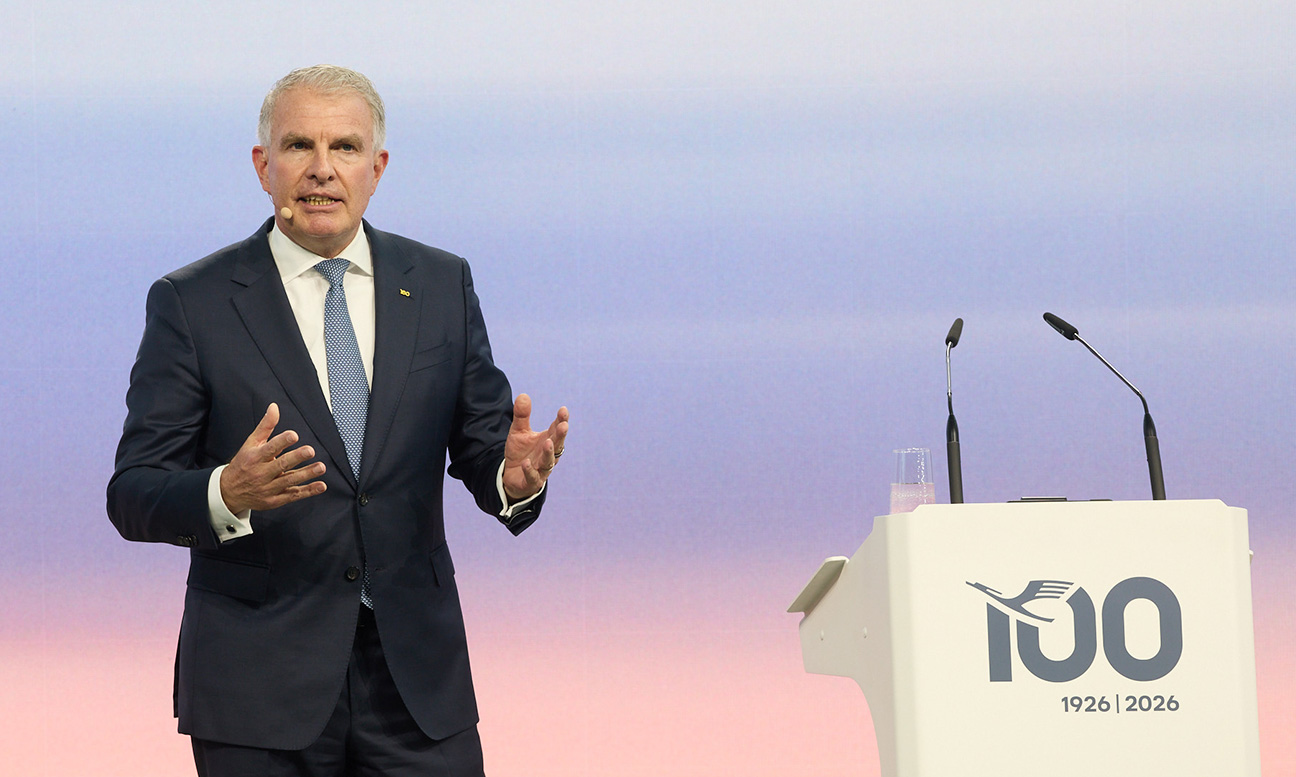
Speech by Carsten Spohr, CEO of the Lufthansa Group | |
| | | | At the same time, Spohr also addressed the darkest chapter in the company’s history. During the Nazi era, Lufthansa supported the regime and employed thousands of forced laborers. The historical exhibition in “Hangar One” also commemorates this part of the past. The ceremony marked the official opening of the visitor center. | |
| | | | 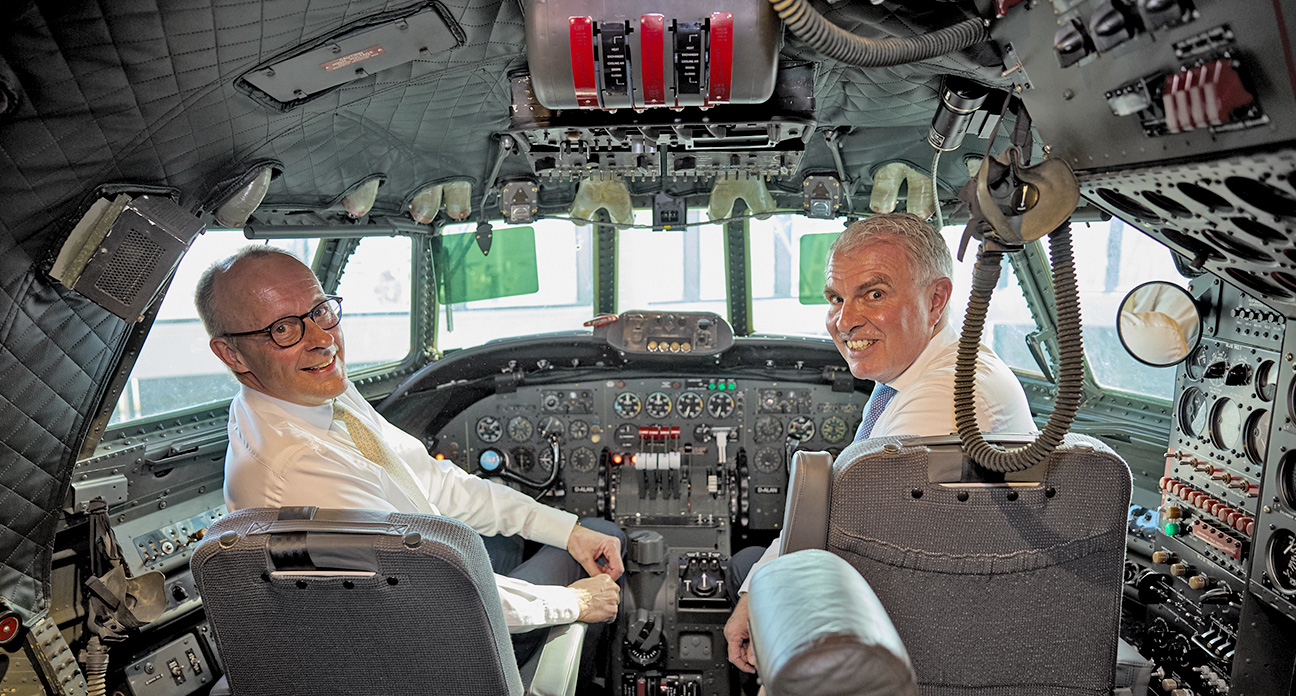
Chancellor Merz and Carsten Spohr in the cockpit of the historic Lufthansa Lockheed Super Star. | |
| | | | 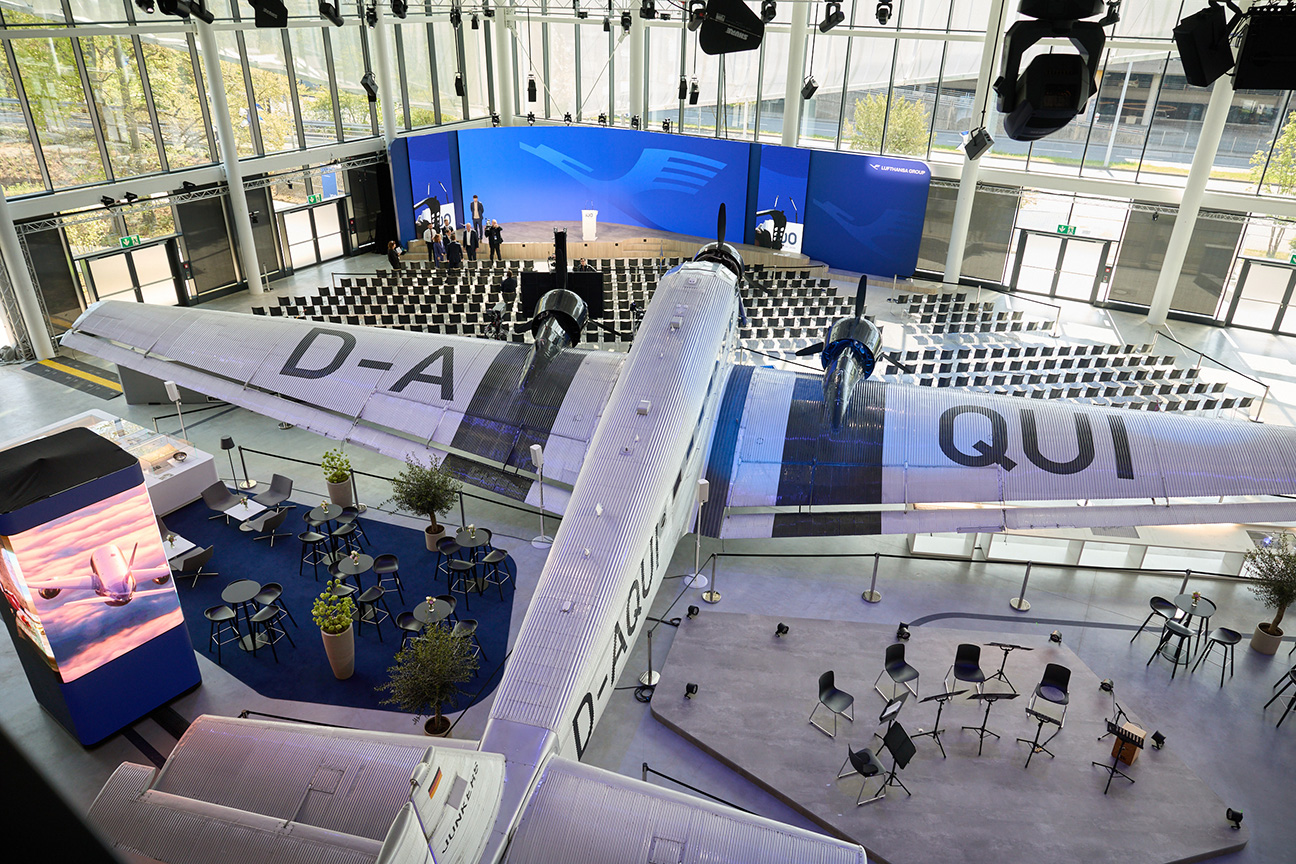
The ceremony took place at the new Lufthansa Group Visitor Center, beneath the wings of the Junkers Ju 52. | |
| | | | Greater safety and comfortLufthansa introduces turbulence warning systemA new system makes detecting turbulence early and proactively rerouting easier than ever. The result is not only greater safety but also more comfort on board.In November, Lufthansa Classic introduced the data system “IATA Turbulence Aware.” The platform collects turbulence reports from air traffic around the world and distributes them in real time to cockpit crews. This provides pilots with a significantly more accurate situational picture, allowing them to avoid turbulent areas well in advance. “Turbulence Aware” is based on thousands of aircraft equipped with the necessary sensors, including Lufthansa Classic’s entire A320 family as well as all A330, A340, and B787 aircraft. These planes collect turbulence data during their flights and feed the data into the IATA database. Pilots of participating aircraft can access this data and adjust their flight paths accordingly. SWISS and Edelweiss are already utilizing the system as well. Consequently, passengers and crews benefit directly, as journeys become smoother and more relaxed. | |
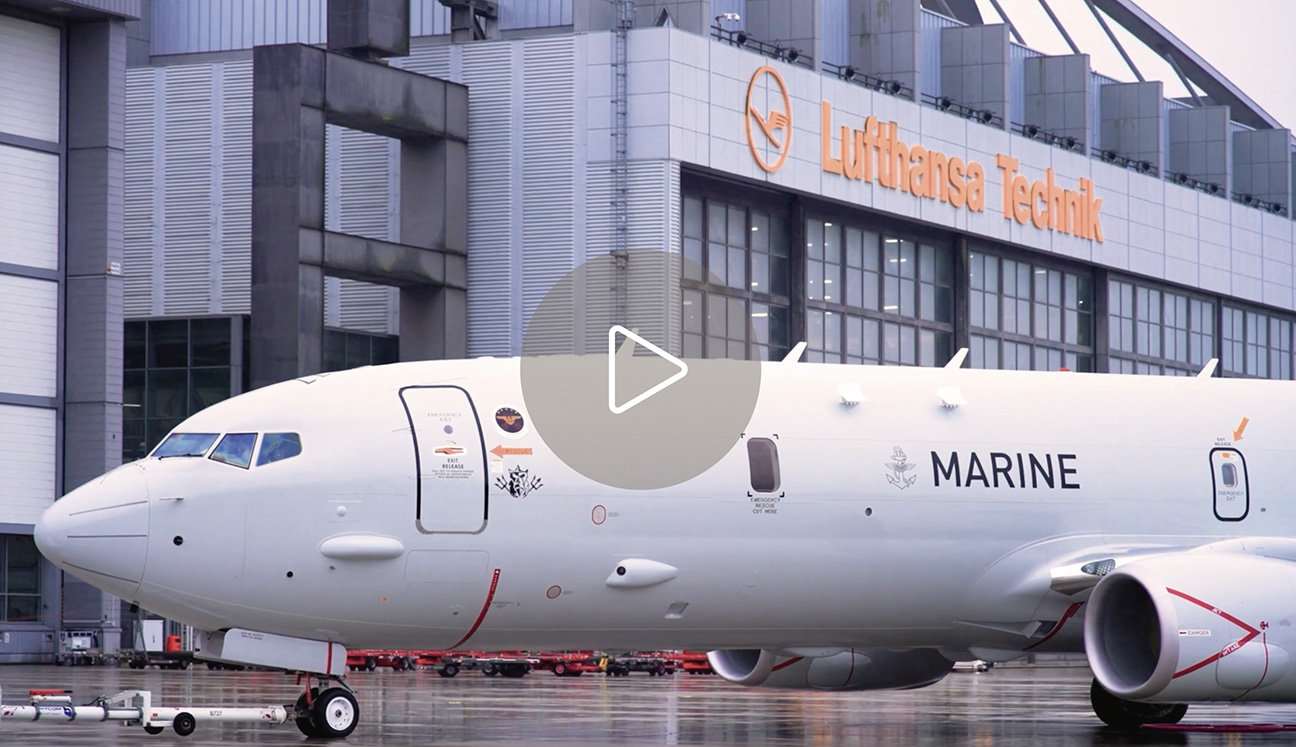
| | | | The German Navy has handed over its first new P-8A “Poseidon” aircraft to Lufthansa Technik Defense in Hamburg for scheduled maintenance. The P-8A is the Bundeswehr’s largest military aircraft and can carry torpedoes and missiles. It is based on the Boeing 737 – a core part of Lufthansa Technik’s maintenance business since the 1960s. In April, the first “Poseidon” aircraft underwent a 180-day inspection in Hamburg, while a second arrived in mid-March for a 90-day check. Lufthansa Technik has supported the armed forces for decades, maintaining and modifying German Air Force aircraft, including the government fleet. With the P-8A program, the company is further expanding its partnership with the Bundeswehr. In addition to maintenance, Lufthansa Technik provides spare parts management, technical operational support and training for German Navy maintenance personnel. In parallel, Lufthansa Aviation Training is training P-8A pilots in Berlin. | |
| | | | Lufthansa GroupYour Contacts PDF PDF

Andreas Bartels
Head of Corporate
Communications
Lufthansa Group  +49 69 696-3659 +49 69 696-3659
 andreas.bartels@dlh.de andreas.bartels@dlh.de
| 
Dr. Kay Lindemann
Head of Corporate International
Relations and Government Affairs
Lufthansa Group +49 30 8875-3030
kay.lindemann@dlh.de
|

Martin Leutke
Lufthansa Group &
Lufthansa Airlines
Communications +49 69 696-36867
martin.leutke@dlh.de
| 
Jan Körner
Head of Government
Affairs Germany
Lufthansa Group
+49 30 8875-3212
jan.koerner@dlh.de |

Sandra Courant
Head of Political Communication
and Media Relations Berlin
Lufthansa Group +49 30 8875-3300
sandra.courant@dlh.de
| 
Ruben Schuster
Head of EU Liaison Office
Lufthansa Group
+32 492 228141
ruben.schuster@dlh.de |
| |
| | | | Published by:
Andreas Bartels
Head of Corporate Communications
Lufthansa Group Dr. Kay Lindemann
Head of Corporate International
Relations and Government Affairs
Lufthansa Group Martin Leutke
Lufthansa Group &
Lufthansa Airlines
Communications
Deutsche Lufthansa AG
BER CP, Konzernrepräsentanz
Lennéstraße 3, D-10785 Berlin | Editor in chief
Sandra Courant Editorial staff
Henrietta Dörries, Frederik Fink, Anton Heinecke, Maximilian Kiewel, Michael Lagemann, Marie-Charlotte Merscher, Dr. Christoph Muhle, Nikolas Pfaff, Philipp Struve, Nicolas Vad, Menno van der Kamp, Jim Würz Press date
20 May 2026 Agency partner
Köster Kommunikation |
| |
| | | | Received the policy letter via forwarding? Subscribe here for free. | |
|